Cat breed
European Shorthair
In short
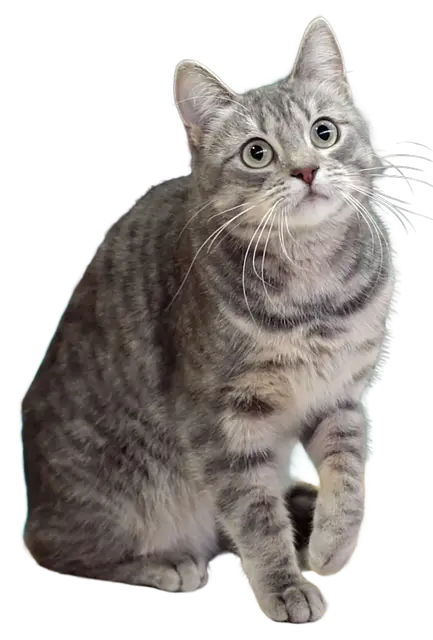
The European Shorthair is a pedigreed cat breed, developed mainly in Scandinavia, that is meant to resemble the typical domestic cat of Europe. It is a medium-sized, muscular cat with a short, glossy coat, generally described as active and friendly.
Breed facts
From Wikidata (CC0) and the FCI breed list; — means Wikidata lists no figure.
Origin and history
The breed is a counterpart of the British Shorthair and the American Shorthair. For a long time the British Shorthair was also called European Shorthair, which confused Scandinavian breeders, because the British type had been crossed with the Persian and bred to be cobbier, with a shorter muzzle and thicker coat.
The Fédération Internationale Féline (FIFe) recognized the European Shorthair in 1949, and the oldest known FIFe-registered example was born in 1940. In 1982 FIFe registered the Scandinavian type as a separate breed with its own standard. As of 2023 it is recognized by ACF, FIFe, LOOF, TICA (registration only) and WCF. It is most popular in Scandinavia and Germany, is on Sweden's list of endangered breeds, and is the national cat of Finland.
Appearance and coat
The European Shorthair is a medium-sized, muscular cat with a well-rounded face, developed cheekbones, medium ears with slightly rounded tips and round, open eyes. The neck is medium and muscular, and the tail is medium length, thick at the base with a rounded tip.
The coat is short, dense and glossy. Natural Western colors such as black, blue, red and cream are allowed, with or without tabby, tortoiseshell, silver or white; FIFe does not allow tabby with white or smoke with white. Eye color matches the coat and may be yellow, green or orange, with blue or odd eyes permitted in white cats.
Temperament
The breed descends from Europe's natural mouse hunters. As commonly described, most European Shorthairs are strong, active, intelligent and playful, generally friendly toward people of all ages, get on well with other cats and tolerate dogs. Many are keen rodent hunters.
Care and exercise
The short coat needs little grooming beyond occasional brushing. As an active, playful breed, it benefits from play and things to explore; sources give little specific care advice.
Health
Conditions reported in the breed include urate urolithiasis (urate bladder stones). In one US review of over 5,000 cases, the European Shorthair had the highest rate of the condition, with 53 affected cats out of a population of 78. Regular veterinary check-ups are recommended.
General information, not veterinary advice.
FAQ
Is the European Shorthair the same as a British Shorthair?
No. They were once judged as one breed, but FIFe separated the Scandinavian type in 1982; the British Shorthair is cobbier, with a shorter muzzle and thicker coat.
Are European Shorthairs friendly?
They are commonly described as friendly toward people of all ages, good with other cats and tolerant of dogs, though individuals vary.
Where is the European Shorthair popular?
Mostly in Scandinavia and Germany. It is the national cat of Finland and is listed as an endangered breed in Sweden.