Cat breed
Pixie-bob
In short
The Pixie-bob is a pedigreed cat breed developed in the United States from the mid-1980s, originally claimed to have bobcat ancestry but generally regarded as wholly domestic. It is a medium to large, often polydactyl cat with a short tail and a black spotted tabby coat, and is described as intelligent, social and active.
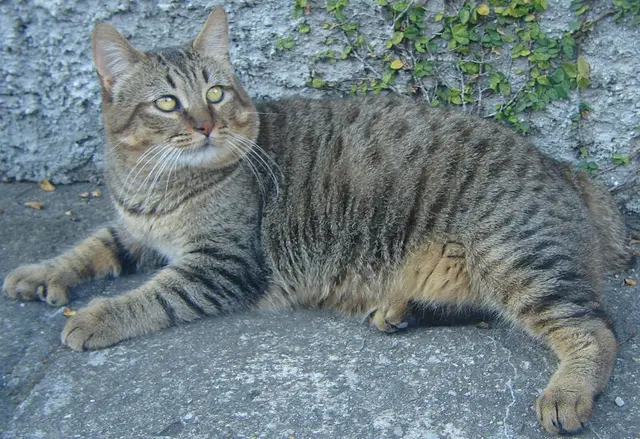
Breed facts
| Origin | United States |
|---|---|
| Height at the withers | — |
| Weight | — |
| Life expectancy | — |
| Size group | — |
| Breed standards | ACFA |
From Wikidata (CC0) and the FCI breed list; — means Wikidata lists no figure.
Origin and history
In 1985 Carol Ann Brewer bought a spotted, short-tailed, polydactyl male near Mount Baker, and in 1986 she rescued a very large bobtailed male named Keba, said to have been sired by a bobcat. Keba mated with a neighbor's spotted tabby female, and from that 1986 litter Brewer kept a female named Pixie, the breed's foundation cat. She later added 23 cats from the Cascade Range believed to be bobcat hybrids, which she called 'Legend Cats'.
DNA testing reportedly conducted in 1996 failed to detect bobcat markers, though the data do not appear to be public, and Pixie-bobs are treated as fully domestic for registration and import. TICA accepted the breed for exhibition in 1993 and granted Championship status in 1998; the ACFA also recognizes it.
Appearance and coat
Pixie-bobs usually do not exceed about 5 kg on average, similar to a medium to large domestic cat, though a few breeders produce larger, heavy-boned cats. Males are usually larger than females, and the cats keep growing for up to four years. The pear-shaped head is considered the key feature, with a heavy brow, triangular eyes that turn green or gold, a broad muzzle and tipped ears. Many are polydactyl.
Most are short-haired, though a long-haired variety exists. The coat is a black spotted tabby, often with reddish or peach tones, and tail length ranges from about 5 cm to hock length.
Temperament
As commonly described, Pixie-bobs are highly intelligent, social, active and bold, enjoy playing with other animals and tend to follow their owners from room to room. They are known for chirps, chatters and growls rather than meowing, and many reportedly fetch, walk on a leash and head-butt.
Care and exercise
Sources give little specific care advice. Their activity, playfulness and interest in fetching and leash walking suggest they benefit from regular play and interaction.
Health
Frequent outcrossing keeps the breed genetically diverse, and breeders record health data in the Pawpeds database. Conditions reported in the breed include cryptorchidism, dystocia and cystic endometrial hyperplasia, hypertrophic cardiomyopathy (HCM) and blocked tear ducts, with only a few cases recorded for several of these; annual ultrasound screening for HCM is used to monitor breeding cats.
General information, not veterinary advice.
FAQ
Is the Pixie-bob part bobcat?
The breed was originally claimed to have bobcat ancestry, but reported DNA testing found no bobcat markers, and Pixie-bobs are treated as fully domestic.
How big do Pixie-bobs get?
On average they usually do not exceed about 5 kg, similar to a medium to large domestic cat, and they can keep growing for up to four years.
Do Pixie-bobs meow?
Most meow little if at all and instead communicate with chirps, chatters and growls.