Nostalgia · Toys and playground games · Chinese childhood memory
What is Tiaopijin (跳皮筋)?
Also called: tiao pi jin, Chinese jump rope, elastics, French skipping
In short
Tiaopijin (跳皮筋, jumping the elastic) is the Chinese version of the game known in English as Chinese jump rope or elastics. Two players stretch a three-to-four-metre elastic between their legs; a third jumps a set pattern of hooks, steps and twists to the beat of a chanted rhyme, and each clean round raises the elastic, from the ankles up past the head. It was hugely popular in Chinese schoolyards from the 1960s to the 1990s, mostly among girls, and has faded since 2000. No one knows exactly where it began.
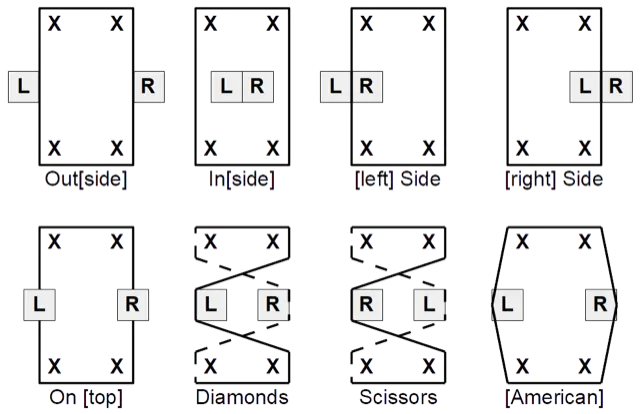
How it is played
Two holders stand three or four metres apart with the elastic around their ankles; the jumper works in the middle. With more children, one team holds while the other jumps, swapping when every jumper on a team has made a mistake.
The jumper must complete an agreed routine built from a dozen or so basic moves: hooking the elastic with a foot, stepping over, touching, kicking, tripping, wrapping, crossing, stepping on it, turning. Missing a step, letting the elastic slip off or losing the rhythm of the rhyme ends the turn.
The rising heights
After each successful round the elastic moves up a level. The order varies by place, but typically runs:
- Ankles
- Calves, then knees
- Top of the thighs, then waist
- Armpits, then shoulders
- Ears, then the top of the head
- A hand's span above the head, and finally the holders' arms raised as high as they go
Once the elastic is above the waist, jumpers kick a leg high to hook it down before jumping, which is where tall, flexible kids shone.
The rhymes
The game is almost always played to a chant whose beat sets each step. The best known begins with a ball, bananas and pears, then counts: malan kaihua ershiyi (the malan flower blooms, twenty-one), followed by numbers up to thirty-one. Other rhymes include I Am Going to School and verses about national heroes, with wording differing by region.
What happened to it
Needing nothing but an elastic, it filled break times for decades. From the 2000s, less free time and more screen entertainment pushed it aside. The game is international: elastics in Britain and Australia, Gummitwist in Germany, gomutobi in Japan.
FAQ
How many people do you need?
At least three: two to hold the elastic and one to jump. Bigger groups split into a holding team and a jumping team.
Is Chinese jump rope really from China?
Not provably. The English name links it to China, but the game is played worldwide and its origin is undocumented.
What was the elastic made of?
Usually a three-to-four-metre length of rubber elastic; some children linked lots of small rubber bands into a chain.
Does it bring back memories?
Did you ever play with it?
Anonymous: no IP addresses are stored, and one network can add only a limited number of answers to a page each day.