Nostalgia · Everyday life · Chinese childhood memory
What is a Xiaomaibu (小卖部)?
Also called: xiao mai bu, Chinese tuck shop, school shop, corner shop
In short
A xiaomaibu (小卖部, literally small selling department) is a tiny general shop, usually one room or a window, at a school gate, inside a school or factory compound, or on the ground floor of an apartment block. It sells snacks, drinks, stationery, small toys and household basics, many for a few jiao. From the 1980s to the 2000s it was where Chinese children spent their pocket money. Convenience stores, supermarkets and online shopping have since squeezed it, and a regulation in force since April 2019 says primary and secondary schools should generally not have one on campus, though neighbourhood xiaomaibu are still common.
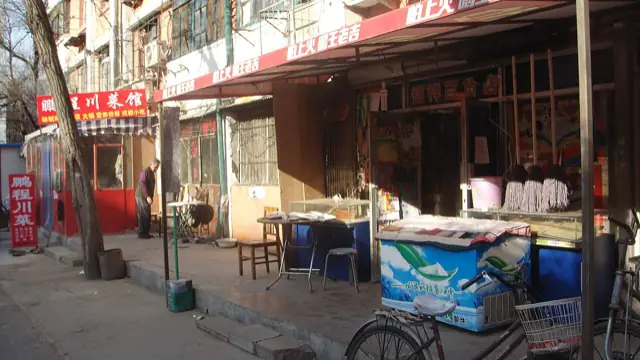
What it looked like
The classic xiaomaibu had a glass counter full of loose sweets and small snacks, shelves behind it with drinks, instant noodles, notebooks and soy sauce, and a chest freezer by the door for ice lollies. Some were built into the school wall with just a hatch opening onto the playground; others were the front room of a family's flat. When the last bell rang, the doorway filled with kids in school uniforms counting coins.
What it sold
- Snacks: latiao (spicy gluten strips), tang seng rou, mailisu malt balls, guodanpi hawthorn rolls, popping candy, crispy instant noodles eaten dry
- Cold drinks and ice lollies, with a queue at the freezer in summer
- Stationery: pencils, erasers, exercise books, stickers, flashy pencil cases
- Toys: picture cards, marbles, elastic bands for skipping, yo-yos, collectible cards
- Household basics such as soy sauce, vinegar and batteries
Collectible cards packed inside snack bags kept many children going back to the same shop to finish a set.
What happened to it
From the 2000s, chain convenience stores and supermarkets spread, followed by online shopping and delivery apps, and many small shops closed or rebranded as convenience stores.
School shops changed most. The School Food Safety and Nutrition Health Management Regulations, issued by the Ministry of Education, the State Administration for Market Regulation and the National Health Commission and in force from 1 April 2019, say in Article 20 that primary and secondary schools and kindergartens should generally not set up shops or supermarkets selling food on campus; where one is really needed it must be licensed and avoid foods high in salt, sugar and fat. Most on-campus shops in primary and secondary schools have since gone. That article covers only primary and secondary schools and kindergartens; university campuses still have shops.
Do they still exist?
Yes. Family-run xiaomaibu remain common in residential compounds, old lanes and small towns, now with a payment QR code on the counter, and some have simply put up a convenience-store sign. What has become rare is the shop inside a primary or middle school.
FAQ
Can Chinese schools still have a xiaomaibu?
Primary and secondary schools and kindergartens generally may not since 1 April 2019; a necessary one must be licensed and avoid high-salt, high-sugar and high-fat foods.
What is the English for xiaomaibu?
Corner shop or convenience store; a school one is close to a British or Australian tuck shop.
How is it different from a convenience store?
A xiaomaibu is usually a small independent family shop; convenience stores are mostly chains with longer hours and standard stock.
Does it bring back memories?
Do you remember it?
Anonymous: no IP addresses are stored, and one network can add only a limited number of answers to a page each day.